NSW DPI VPRU: Edge AI solutions for protecting our environment from Invasive Species
In Collaboration with NSW Department of Primary Industries and Regional Development (DPIRD)
Status: Ongoing collaboration.
#AI&MachineLearning #AgTech&PrecisionAg #Ecology&Climate #Automation&Data
Overview & Background
Vertebrate Pest Research Unit (VPRU) of the New South Wales Department of Primary Industries and Regional Development (DPIRD) undertakes research which addresses industry priorities in relation to vertebrate pest management with one focus being the development of technology to improve the effectiveness and efficiency of pest management practices. Intersect’s 3AI collaborates with the VPRU DPIRD as part of their focus on the development of technology to improve the effectiveness and efficiency of pest management practices. Building on published work from The Sentinel Bait Station: an automated, intelligent design pest animal baiting system (Charlton et al. 2023), the VPRU has engaged Intersect’s 3AI Platform to help to continue the development of smart cameras, baiting devices and animal tracking technology for vertebrate pest management.
The Challenge
Invasive pest management across vast regional landscapes requires balancing biosecurity protection against labor constraints. Traditional monitoring relied on physical site inspections that were time-consuming and delayed response windows during emerging biosecurity incidents. Furthermore, conventional baiting risks non-target animal exposure if not strictly controlled.
Technical Execution & Solution
Intersect’s 3AI platform built an integrated hardware and software tracking architecture:
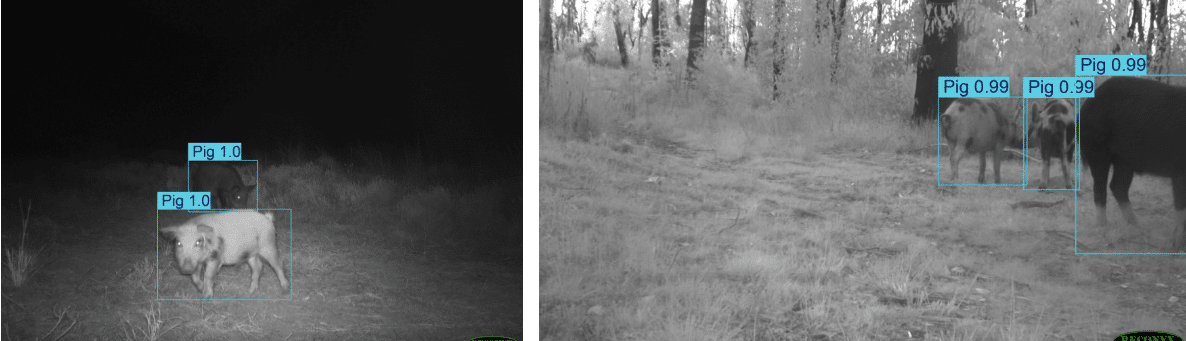
- Edge AI: Development of lightweight models able to run on the edge to identify species on-site and in real-time.
- Intelligent IoT solutions: Combined custom electronics with embedded computer vision models to allow for field-based actions (closing a gate or offering a bait) without the need for human intervention.
- Automated Data Telemetry: Built fault-tolerant data ingestion pipelines collecting via cellular for automatic collection of data from the field.
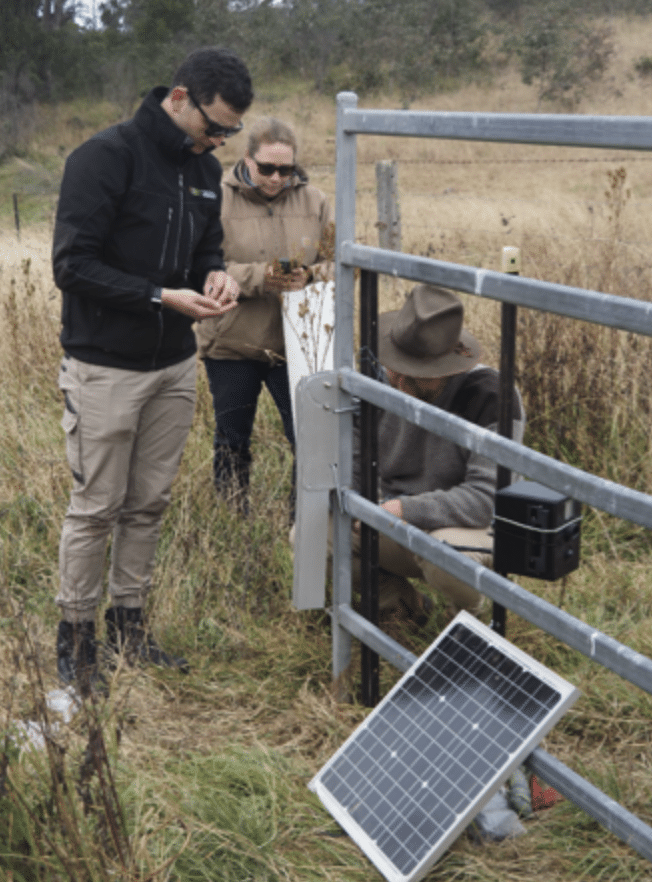
Figure 1: Solar-powered PigIT camera trap and automated gate actuator.
Impact & Research Results
The resulting system established a repeatable technology framework that maximizes pest management efficiency, prevents non-target animal bait exposure, and supplies researchers with continuous, high-resolution biosecurity research data.